Your Summer Vacation’s Environmental Impact

Posted by akeenan | Posted in pollution | Posted on 20-08-2010

In the summer months, nothing sounds better than going on vacation at the beach.  But beach-goers impose more of an impact on the surrounding ecosystem than one would think.
In Saint Tropez, a high-profile beach community in France, business owners are fighting legislation that would limit beach development in an attempt to save local flora and fauna.  The mayor argues that reducing the tourism season and private beach area would preserve a dune that is home to many endangered species, while the locals say the proposed laws are a ploy to allow large resort corporations to take over the area.
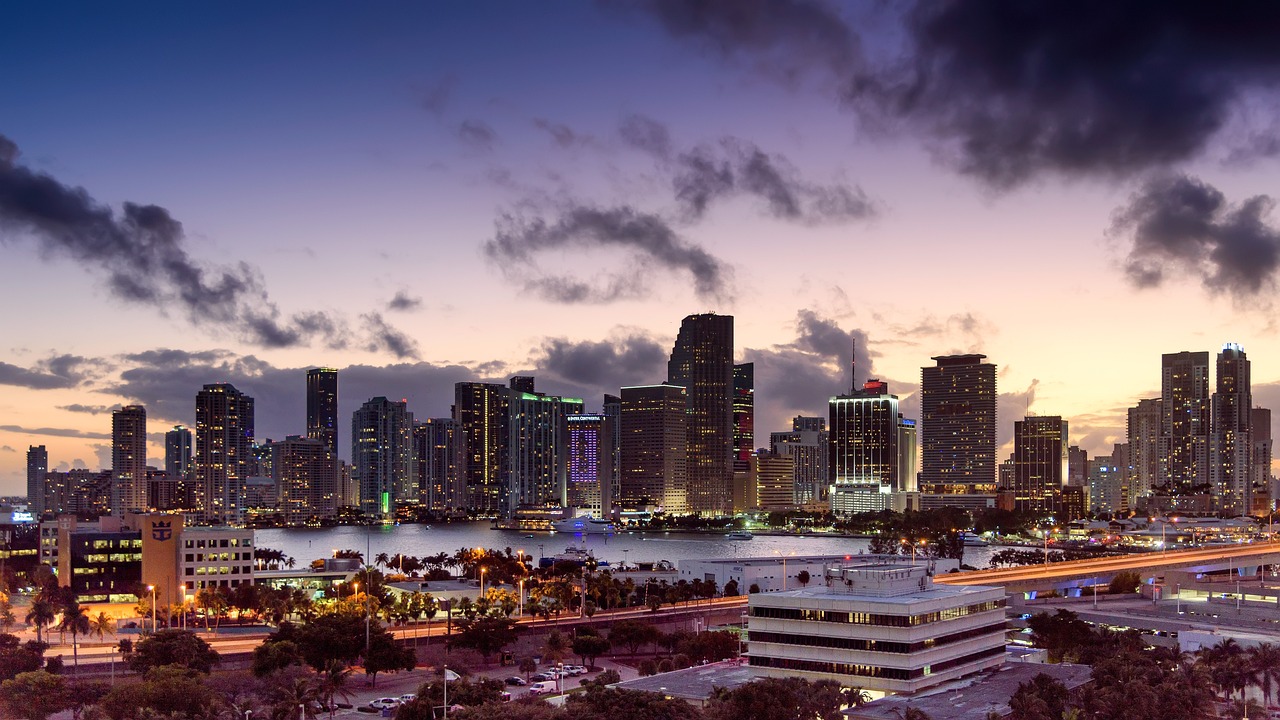
Worldwide, “beach nourishment”—rebuilding a beach that has been eroded—is a common practice among heavily-populated coasts.  Although dumping new sand on the beach and building barriers to prevent erosion keeps tourism local, it can be costly on an economic and environmental level.  It costs millions of dollars to upkeep small sections of beaches in Miami, for example, and the process can bury and kill native organisms, ruin turtle nesting grounds and deprive coral reef systems of access to sunlight.
 By trying to get enjoyment out of a natural landscape, the thousands of tourists who frequent beaches are actually damaging the environment.  Do businesses have the right to maintain permits because they have been given the right in the past, or rebuild a beach that nature is determined to knock down?

The Sleeping Giant - EPA

Posted by e.taub@tvcnp.com | Posted in EPA, Uncategorized, climate change, economy, greenhouse gas, pollution | Posted on 05-08-2010

If you read our blog on a regular basis you’ve seen us write about the “Carrot and the Stick” in relation to greenhouse gas (GHG) regulation from the government. We saw the demise of the senate bill to address GHGs through a cap-and-reduce (a.k.a., cap-and-trade or cap-and-tax) program, most recently known as the American Power Act. When it comes to difficult decisions, congress does not have the ability to lead. That is fine. As someone I know well says, “you have to lead, follow or get out of the way.” Congress just got out of the way. We predict they will follow next.

For the past several years while congress has failed to pass comprehensive legislation to combat climate change, the EPA has been pushing carbon reduction every step of the way. First, they had GHGs classified as pollutants under the Clean Air Act. At the start of 2010 they asked big emitters to start measuring their CO2e levels. Along the way the EPA has even withstood legal questions about their ability to regulate GHGs.  Now that lawmakers have failed to act do you think the EPA will sit back and do nothing?

The older members of congress remember that back in 1991 cap and trade was originally proposed by Republicans as a way to stop the EPA from directly regulating acid rain-producing SOx and NOx. (That first experiment in cap and reduce worked so well that the Europeans adopted a similar system to abide by the Kyoto Protocol.) History has a way of repeating it’s self and we predict that within the next six months the EPA will introduce a laundry list of GHG regulations that will have even the staunchest climate denier pleading for a cap-and-reduce bill.

So if you think cap-and-reduce legislation is dead, think again.  There is a sleeping giant that is about to wake up.

Polluting with a Bang

Posted by akeenan | Posted in pollution | Posted on 12-07-2010

Last weekend, an estimated 275 million pounds of fireworks were ignited to celebrate the fourth of July.  And although they are beautiful, the pyrotechnic display that has come to represent our nation’s freedom doesn’t come without a cost to the environment.
Fireworks rely on the combustion of different chemicals to work, but this releases a slew of air pollution.  All fireworks – from at-home bottle rockets to huge city-funded displays – use gunpowder to become airborne, sending particulate matter that is made up of charcoal and sulfur into the air.  The coloration of fireworks comes from adding different compounds, including strontium, magnesium, dioxin, barium, calcium and sodium nitrate.  Some of these chemicals are toxic, and the majority of them are not found in the atmosphere naturally.  Additionally, fireworks contribute to litter because of their packaging and use outdoors.
Air pollution was particularly bad this year in Lincoln, Nebraska. There was pollution at ten times the normal levels, as well as severely limited driver visibility, because of firework use in the city.  The particulate matter that normally would have blown to higher altitudes instead sunk and stayed in the air right above the ground because of high humidity and a lack of wind.
For the sake of our nation’s air, it’s a good thing Independence Day is celebrated only once a year.